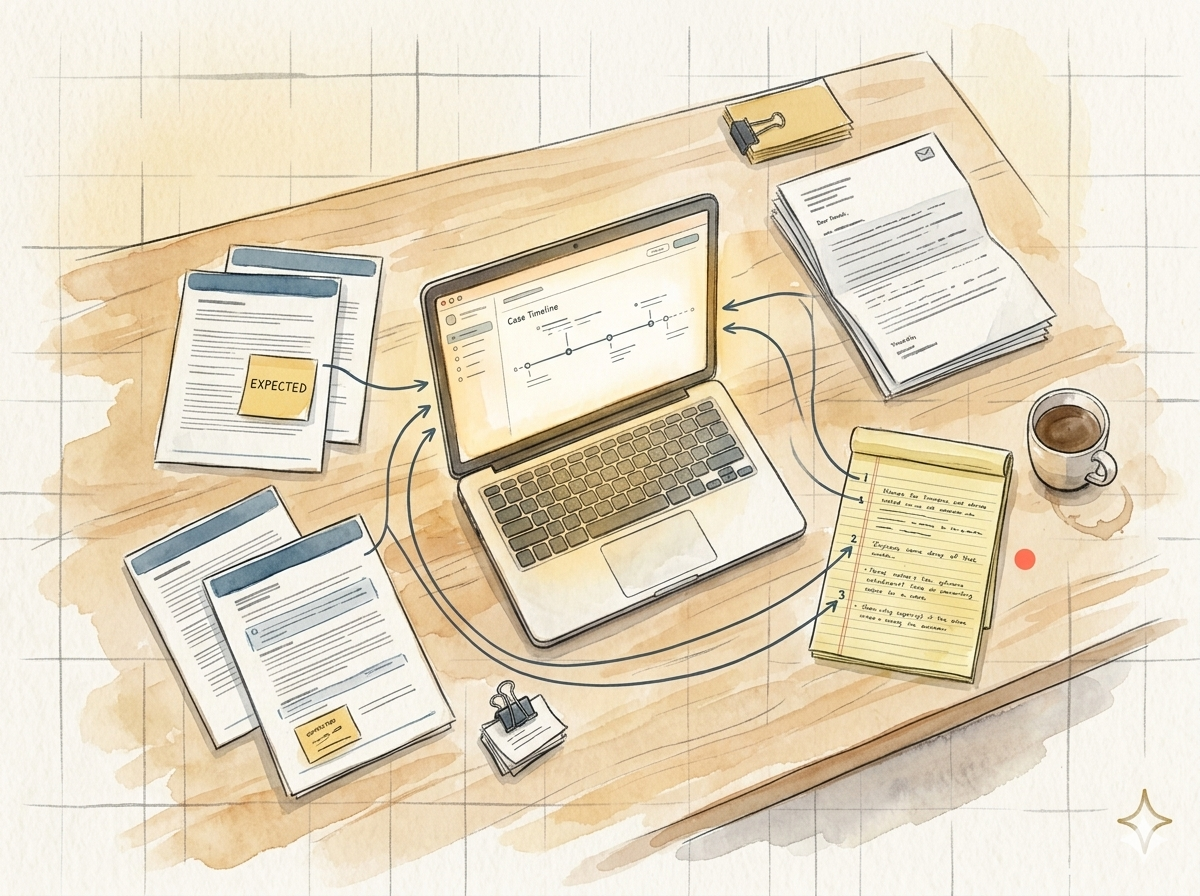
The file finds its case.
The file comes in. An email attachment, a drag-and-drop, an SFTP feed from somewhere upstream. In most workflows, that’s where the work begins — figuring out where it belongs, who should have it, whether the right version made it to the right case.
Lore takes it from there. The record lands where you’d expect to find it — right case, right place, already there when you open the tab. No five inboxes. No chasing the fax. No waiting on someone else to file.
Right case, right place, already there when you open the tab.
Intake at scale. Each record arrives richer.
Intake teams handle consistency and volume. What they can’t always handle is the enrichment — the naming, the summarizing, the tagging, the filing — multiplied across every document and every email on every case that comes through.
Gather AI runs that in the background. Each document arrives with a suggested name and description drawn from its content, a summary you can read in seconds, the right tag from your taxonomy, the right folder in your structure. Each email is tagged the same way, threaded into the case timeline, with replies that file themselves automatically.
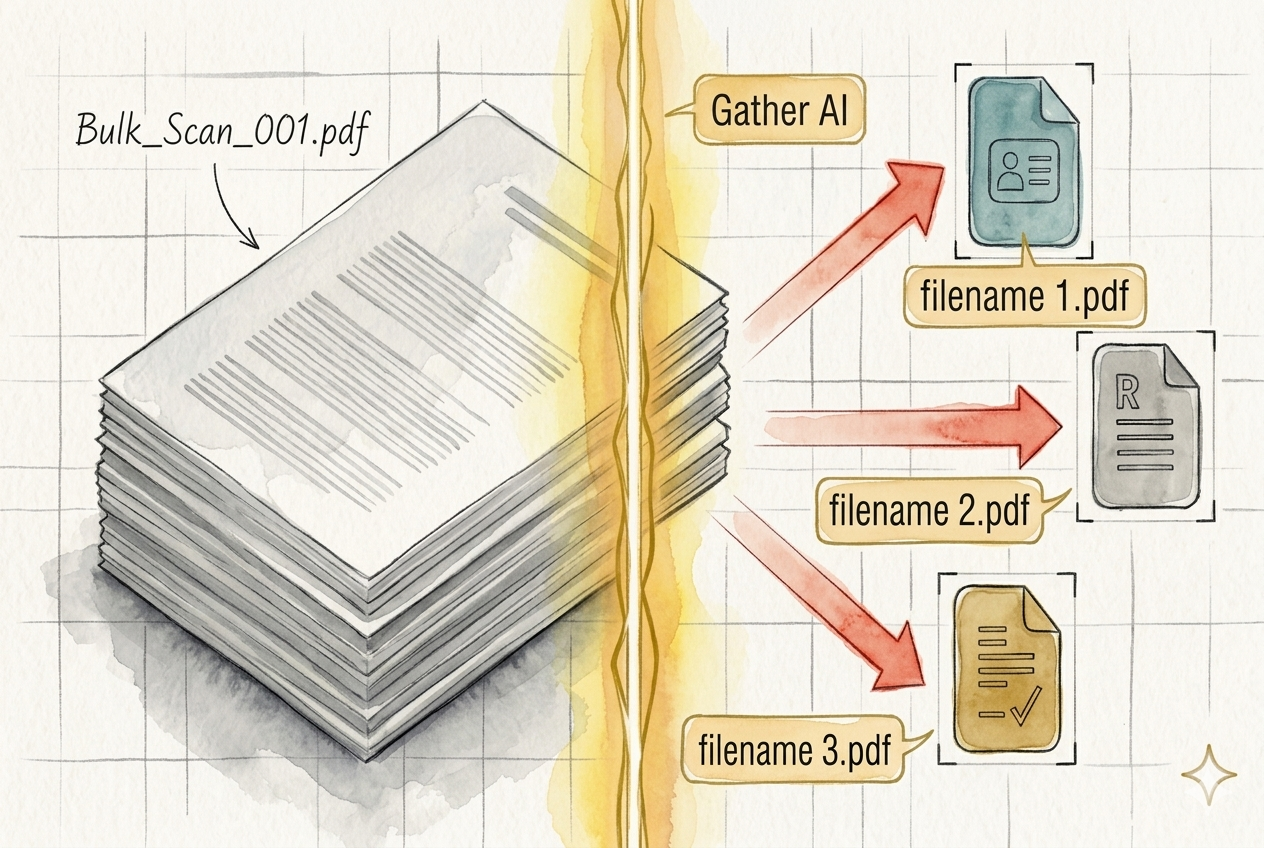
Open the case, find it ready.
You open the case. Not to start organizing — Gather AI already handled that. The documents are summarized, the emails filed, the folders sorted, the critical items flagged before you ever touched it.
What Lore does is make it readable. The case doesn’t present itself as a pile of files and a list of emails. It presents itself as a story — a timeline that reflects the order things actually happened, a narrative surface where every source is cited and every question has somewhere to go.
You add what only you can. The inside perspective. The diary entry. What’s owed from whom, what to expect next. The judgment the AI prepared the ground for but cannot make.
Not a pile of files. A story.
Decisions, not digging.
Every case reaches a moment where the answer is somewhere in the record — and finding it is the work before the work.
Wingman sits in the right rail, powered by Gather AI. Ask it to dig into a long attachment without opening it. Summarize the medical bills. Look up coverage. Find precedent in what’s already on the case. It answers from the record, with citations.
Stop searching. Start deciding.
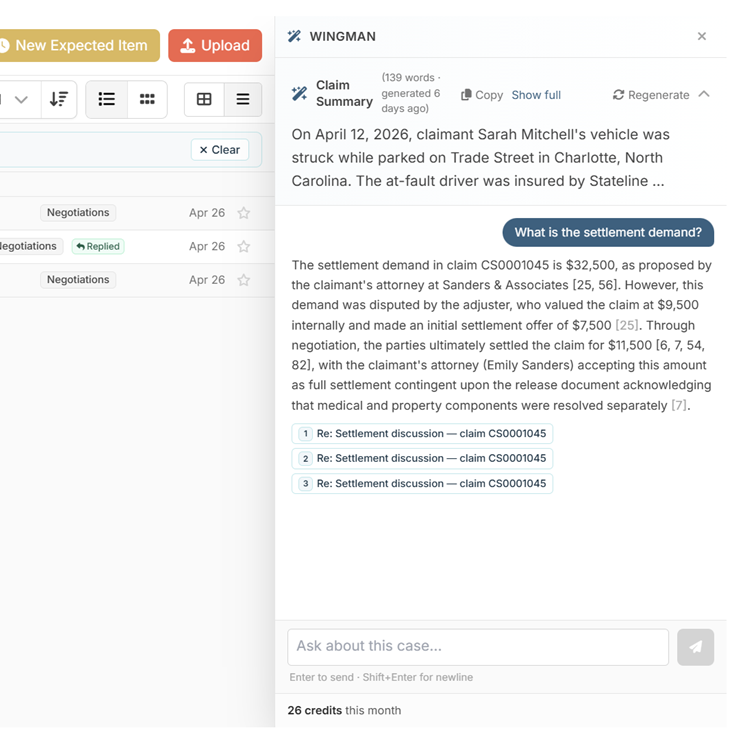
This is what it looks like inside.
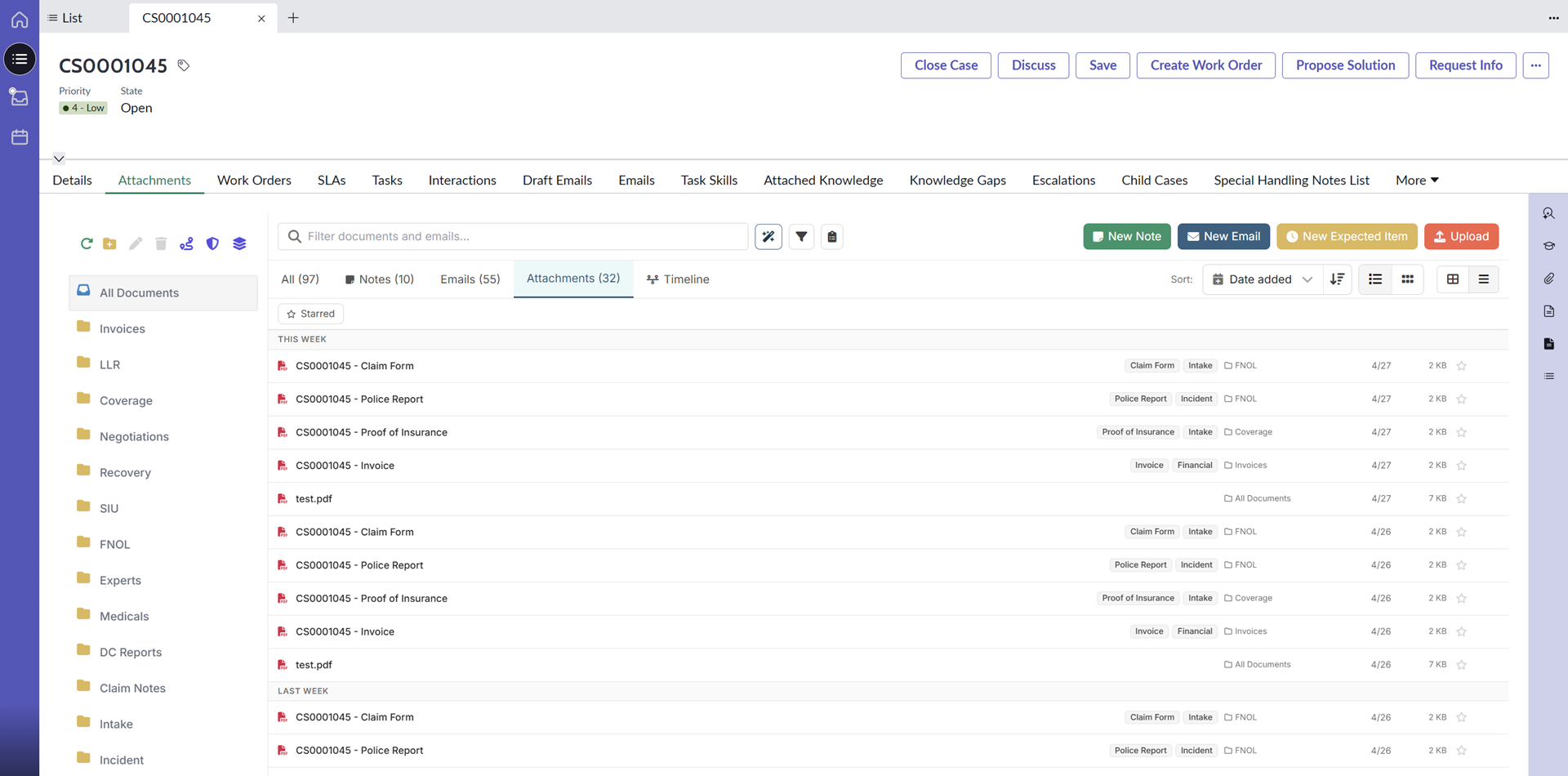
Lore + Gather AI lives where the work happens — inside the ServiceNow workspace your team already uses. No new tab, no separate tool, no context switching. The case, the documents, the emails, and the timeline, all in one place.
§ CITED NOTES
Follow the reasoning back to the evidence.
Every note in Lore links to the documents and emails it references. The adjuster writing about a reserve change links to the demand letter. The clinician documenting an appeal links to the medical records. Anyone reading the case later can follow the reasoning back to the evidence — without reconstructing the file from memory.
Reserve increased to $87,500 based on the updated demand letter [1] and engineering assessment [2]. Discussed with carrier rep — see call summary [3].
§ EXPECTED ITEMS
A case isn’t done when the inbox is empty. It’s done when nothing is missing.
Lore treats the file as something with a known shape — what it should contain, who it’s waiting on, how long it’s been gone. Expected Items keeps the gaps visible until they’re filled.
§ BUILT-IN EMAIL CLIENT
Files and their conversations, finally together.
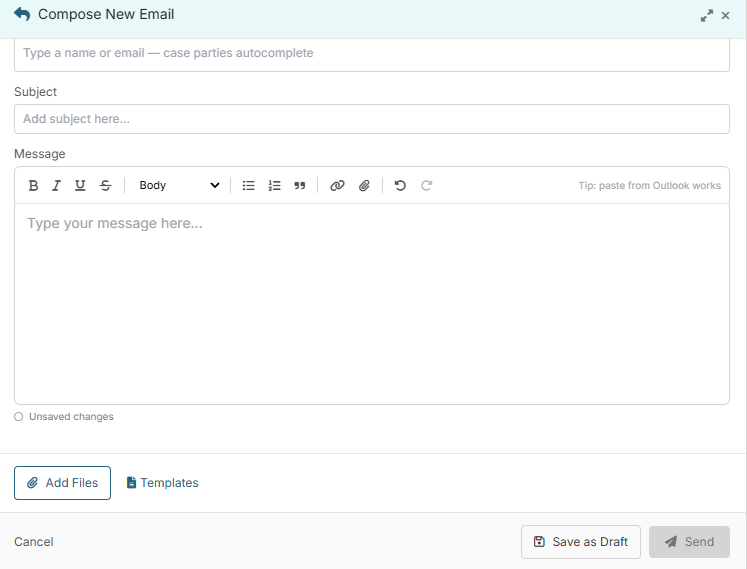
Most files are attached to a conversation, so we put them in the same place. Launch a pre-formatted email, include a signature, search and attach files from the record, and send — all without ever leaving the Attachments tab.
§ FULL PDF TOOLING
Full PDF manipulation, in-line.
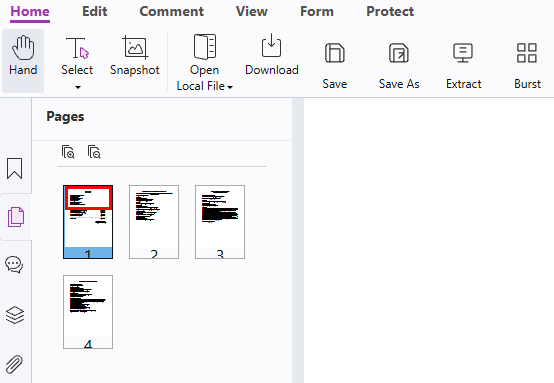
Open a PDF in the case workspace and work it like a desktop editor: redact text and regions, annotate, sign, fill forms, edit text and images, rotate and reorder pages, and search the full document. Edits persist back to the case.
Chapter 06
The Architecture
Single-file iframe. ServiceNow + SharePoint + Azure. Your tenant, your data.
Built by Vergence — a ServiceNow + Azure team.